
China travel guide
China Travel Budget: How Much Does a Trip to China Cost in 2026?
Planning a trip to China in 2026? This practical guide breaks down real costs for flights, hotels, food, transport, and attractions so you can budget with confidence.
Why Your China Travel Cost Varies So Much
China is huge, and costs swing wildly depending on where you go and how you travel. A dorm bed in Chengdu might cost a fraction of a five-star hotel in Shanghai. A street-side bowl of noodles in Xi'an can be cheaper than a coffee in Beijing's Sanlitun. The good news: with some planning, China can fit almost any budget. The catch: prices change, so treat the numbers below as planning ranges, not fixed quotes. Always verify current prices on booking sites or on the ground.
This guide covers the main cost categories for a typical 10–14 day trip, with notes on how to save and where to splurge.
Flights: The Biggest Variable
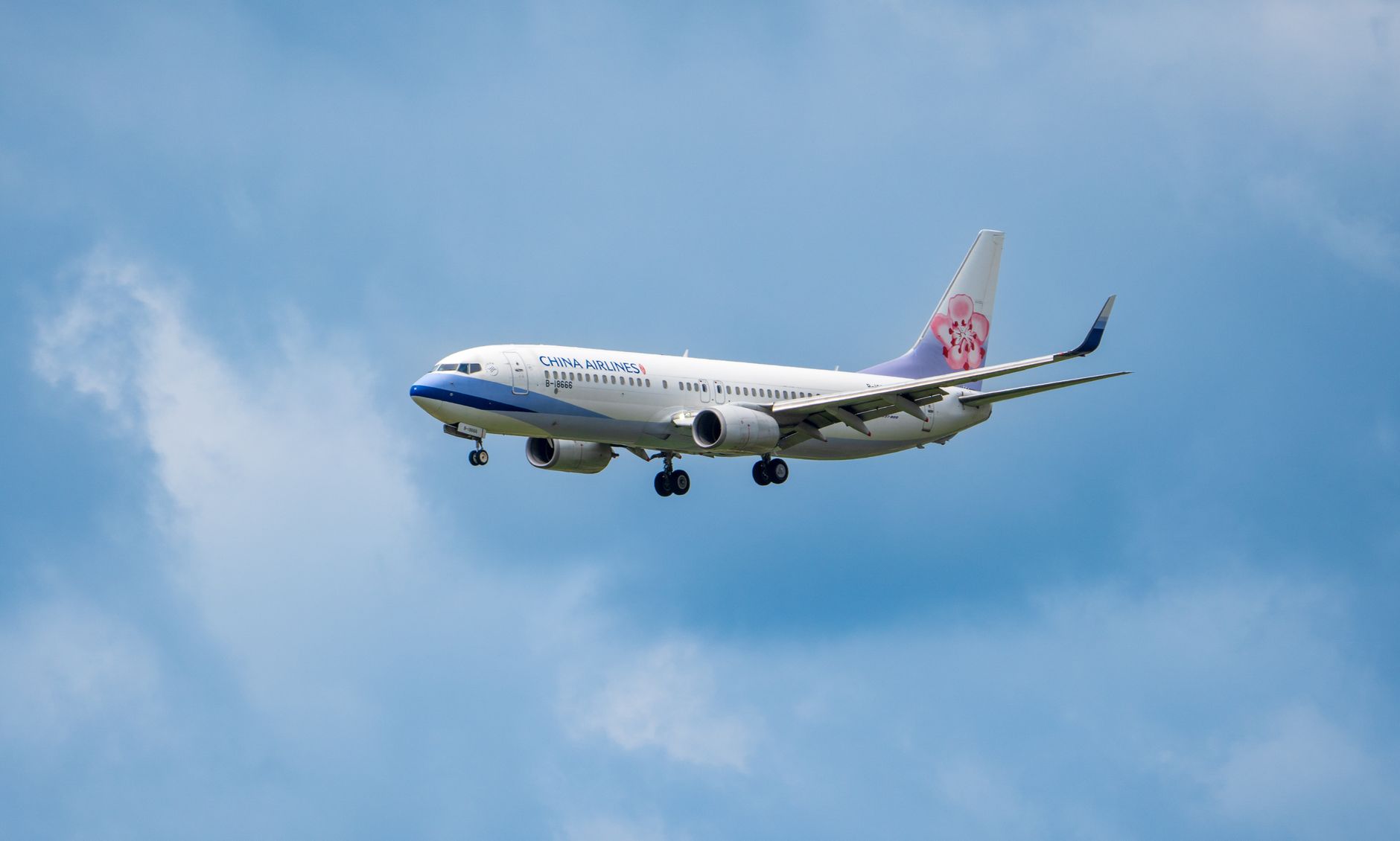
International airfare to China is often the single largest expense. In 2026, round-trip fares from North America or Europe to major hubs like Beijing, Shanghai, or Guangzhou typically range from $700 to $1,500 in economy, depending on season, airline, and how far in advance you book. Flights from other parts of Asia can be much cheaper, sometimes under $300 round trip.
- Book 2–4 months ahead for the best balance of price and availability.
- Avoid peak periods like Chinese New Year (late January or February, depending on the lunar calendar) and the first week of October (National Day holiday), when domestic travel surges and prices spike.
- Consider secondary hubs like Chengdu, Chongqing, or Xiamen; they sometimes have cheaper fares and make good starting points.
Visas and Entry Costs
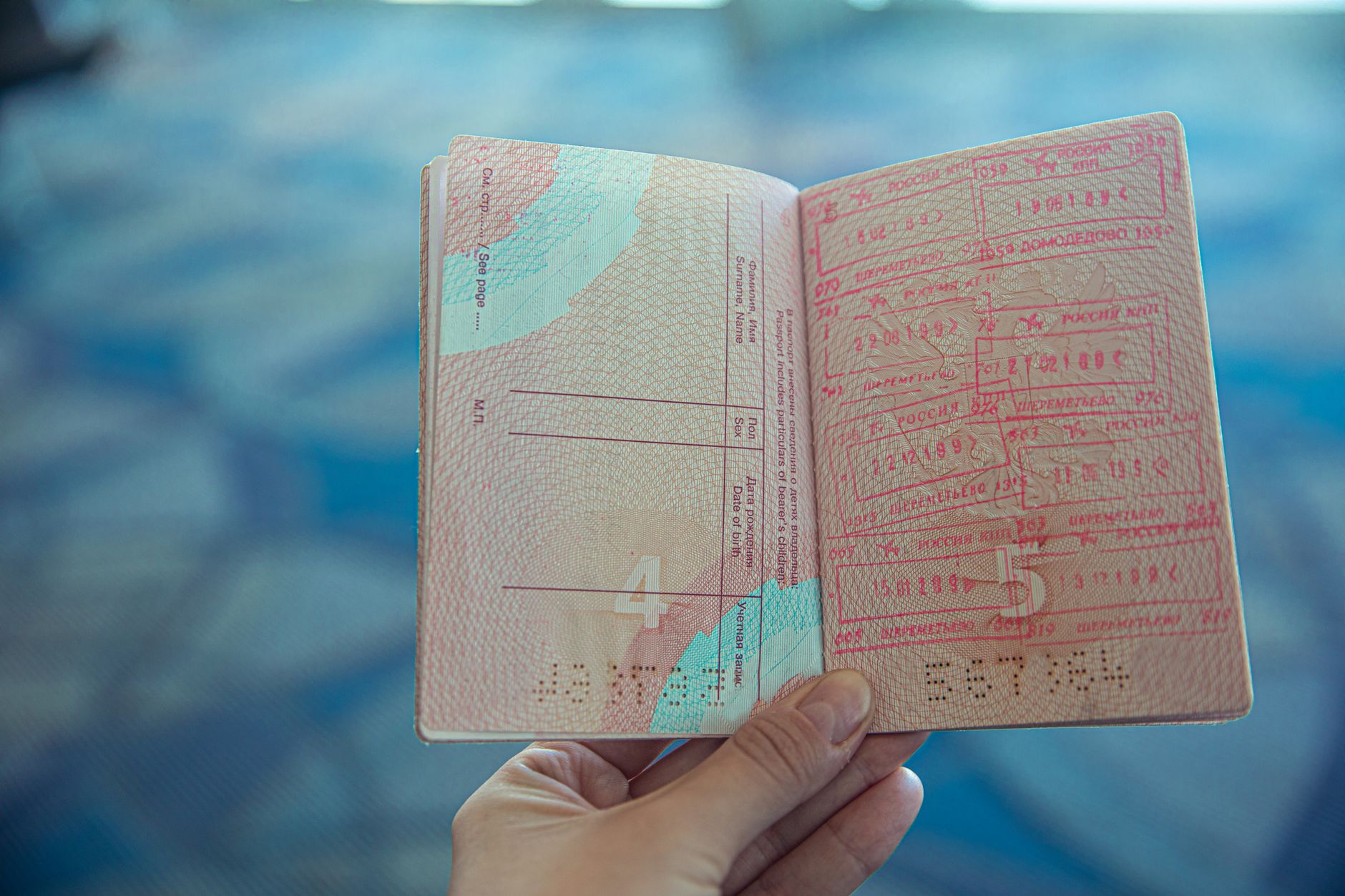
Visa rules change frequently. As of 2026, China has expanded visa-free entry for citizens of many countries for short stays, and there are transit visa-free policies at major airports. However, eligibility depends on your nationality and itinerary. Do not rely on outdated blog posts. Check your nearest Chinese embassy or consulate website for the latest requirements. A standard tourist visa typically costs around $140–$200 for many nationalities, but this varies. Budget for a visa if you need one, and factor in any expedited processing fees.
Accommodation: From Hostels to High-End
China has a wide range of lodging. Prices below are per night and vary by city and season.
- Hostels and guesthouses: $10–$30 for a dorm bed; $25–$60 for a private room.
- Mid-range hotels (3–4 star): $50–$120. Chains like Atour, Ji Hotel, and Home Inn offer reliable quality.
- Luxury and international brands: $150–$400+ in cities like Shanghai, Beijing, and Hong Kong.
Staying outside the most central neighborhoods can cut costs significantly, especially in Beijing and Shanghai, where subway systems make commuting easy. Note that some cheaper hotels do not accept foreign guests; booking through international platforms usually filters these out.
Food: Eat Well for Less
Food is one of China's great bargains. You can eat three filling meals a day for $15–$25 if you stick to local spots.
- Street food and small eateries: $2–$6 per dish. Think dumplings, noodle bowls, jianbing, and skewers.
- Mid-range restaurants: $8–$20 per person.
- High-end or hotel dining: $40–$100+ per person.
Convenience stores like 7-Eleven and Lawson are everywhere and sell cheap snacks, water, and ready meals. Tipping is not customary in mainland China, which keeps dining costs predictable.
Transportation: Trains, Subways, and Taxis
China's public transport is efficient and affordable.
High-Speed Rail
The high-speed rail network connects most major cities. A second-class ticket from Beijing to Shanghai (about 4.5–6 hours) typically costs around $80–$100. Shorter hops, like Shanghai to Hangzhou (about 1 hour), run $10–$20. Book on the official 12306 app or through Trip.com; seats sell out during holidays.
City Transport
- Subway: $0.30–$1.50 per ride. Get a transportation card or use Alipay/WeChat Pay for QR code entry.
- Taxi and ride-hailing: $2–$5 for short trips; Didi is the local equivalent of Uber.
- Buses: Usually under $0.50.
Domestic Flights
For long distances, domestic flights can be competitive with high-speed rail. A one-way flight from Beijing to Chengdu might cost $80–$200 depending on timing. Budget carriers like Spring Airlines can be cheaper, but watch baggage fees.
Attractions and Activities
Entry fees vary widely. Here are typical ranges:
- Major landmarks: Forbidden City (~$10), Great Wall (Mutianyu, ~$8–$12 including shuttle), Terracotta Warriors (~$17).
- Museums: Many are free, including the National Museum of China (reservation required).
- Shows and performances: $20–$80 for acrobatics, opera, or cultural shows.
- Guided day tours: $30–$100 per person.
Prices can change, and some sites require advance online booking with a passport. Always check official websites or ask your hotel for current info.
Connectivity and Miscellaneous
- SIM card or eSIM: $10–$30 for a tourist data plan. eSIMs are convenient if your phone supports them.
- VPN: Many international apps (Google, WhatsApp, Instagram) are blocked in mainland China. A reliable VPN is essential for many travelers; costs vary, and reliability changes, so research current options before you go.
- Travel insurance: $30–$100 for a two-week trip, depending on coverage.
- Souvenirs and incidentals: $50–$200+.
Sample Daily Budgets
These are rough per-person, per-day estimates for mainland China, excluding international flights and visas.
- Budget traveler: $40–$70 (hostel, street food, public transport, few paid attractions).
- Mid-range traveler: $100–$180 (3-star hotel, mix of local and mid-range restaurants, occasional taxi, several attractions).
- Luxury traveler: $300–$600+ (4–5 star hotel, fine dining, private guides, high-speed rail first class).
For a 12-day mid-range trip, a common total is $1,800–$2,800 per person, including flights from North America or Europe. From Asia, it could be $1,000–$1,800.
Money-Saving Tips
- Travel in shoulder seasons: April–May and September–October offer good weather and fewer crowds than summer.
- Use high-speed rail instead of flights for shorter routes; it's often cheaper and city-center to city-center.
- Eat where locals eat. Look for busy stalls and small restaurants with picture menus or translation apps.
- Book attractions in advance when possible; some popular sites sell out days ahead.
- Pay with Alipay or WeChat Pay. Foreign cards can often be linked now, but carry some cash as backup. Not all places accept international credit cards.
Final Thoughts
Your China travel cost depends on your style, route, and timing. The country can be remarkably affordable, but it rewards those who plan ahead, especially for visas, flights, and major attractions. Keep a buffer for surprises, verify prices as you go, and don't be afraid to mix budget and splurge days. With a little flexibility, a trip to China in 2026 can deliver incredible value.